Despite the increase in digital transactions, the cash flow remained the same
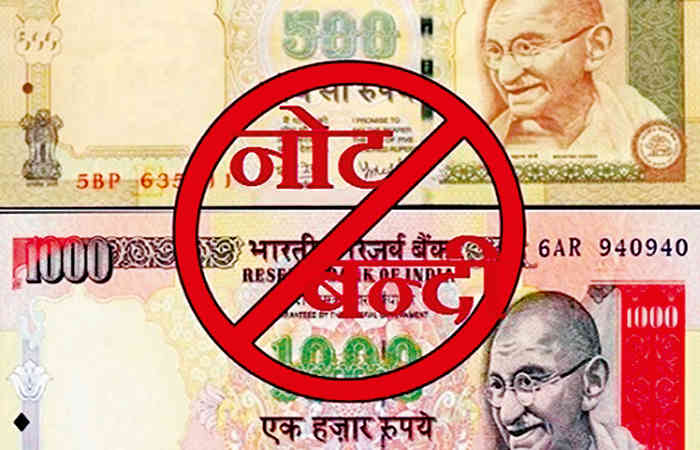
Five years have passed since the ban
Mumbai: Today marks the fifth anniversary of the government's ban on banknotes. While digital transactions have increased in the country in the last five years, the country's cash flow has also remained the same. During this time the number of notes in the currency as well as its value has increased. However, growth has been slow.
Five years after the government announced the ban on November 9, 2016, the amount of cash available to the public has reached an all-time high. In the fortnight ended October 8, 2021, the amount of cash in the hands of the public was a record Rs 2.50 lakh crore.
In the fortnight before the announcement of the ban on November 8, 2018, the currency with the public figure stood at Rs 13.5 lakh crore. Thus, the current figure is Rs 10.3 lakh crore or 2.3 per cent higher than that.
In the first fortnight after the ban, that is, at the end of November 8, 2016, the amount of cash in the hands of the public fell to Rs 2.11 lakh crore. At present, the amount of currency in the hands of the public is 311 per cent higher.
While the Government of India and the Reserve Bank of India are promoting digitization to reduce cash transactions, India still does not see the expected reduction in cash holdings. After the government announced a lockdown in 2020 because of Corona, people decided to keep more and more cash in their hands instead of keeping money in banks.
The amount that comes out of the cash in circulation after deducting the cash lying in the bank is treated as cash with public.
Digital payments have been on the rise in recent years, but at the same time currency-in-circulation from GDP is growing with economic growth, according to a RBI study.
The demand for cash is also on the rise during the festive season, sources said.


Comments
Post a Comment