There is a lot of chaos in Isbagol with booms blowing at rocket speed
- Commodity Current - Jayavadan Gandhi
In the last week bullion and some agro commodities demand and supply issues have become the talk of the market with heavy flare-ups. 2023 is shaping up to be a turbulent year for the above commodities. With the dollar weakening, central banks around the world are in a quandary about raising interest rates. Apart from this, as the banking sector is also becoming serious in America and Europe, most of the banks are now focusing on buying gold. Meanwhile, in the agri commodity, wheat, chickpea, mung bean, soya bean, rice, palm oil etc. With futures ban underway, preparations are in full swing to launch new futures in NSE and NCDEX exchanges in the near future. Future contracts on WTI crude oil and natural gas are starting on the National Stock Exchange (NSE) after getting the green light from SEBI. While on the other hand Isbagol's promise is being launched in NCDEX. Earlier in 2019, ISBAGOL's trading on ICX started. But due to factors like lack of liquidity and membership, Isbagol's promise was closed in a short period of time. Apart from Isabgol being an export oriented commodity, as the current market has doubled, the exchange is pushing hard to start trading of Isabgol as soon as possible.
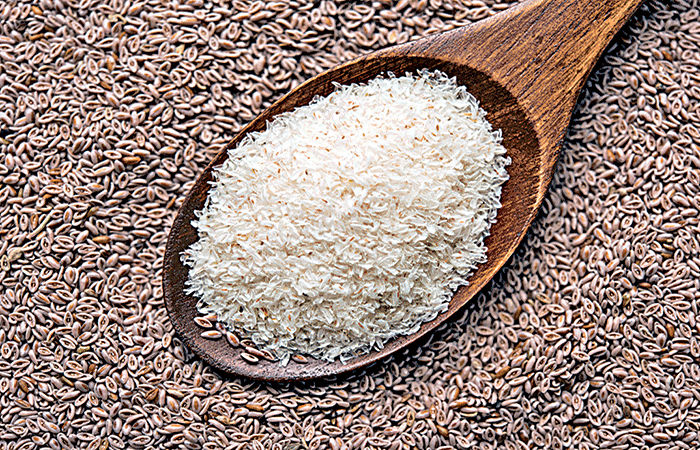
However, nowadays the Isabgol market is also moving rapidly towards the red chola boom in the direction of cumin. 90 percent of the products produced from Isabgol i.e. psyllium husk are exported from abroad. Isabgul husk is widely consumed by pharmaceutical companies and also in India, especially in North-East states. Also, in the last month or so, prices in the spot market above Isbagol have risen from Rs.3,000 to Rs.4,500 to Rs.4,800 per maund. In the new season, 32 to 33 lakh sacks of isabgol production was expected but reports of crop quality and twenty percent deterioration due to unseasonal rains at the time of harvest have sparked fears of short supply against increasing demand in the isabgol market. At present, with the estimated production of 24 to 25 lakh sacks of Isabgol, the business class has started to cover the goods. On the other hand, it is said that due to the sudden increase in the market for cumin, several stockists are losing opportunities to buy cumin and are diverting to Isabgol market, which is half the price of cumin. Speeding up. Due to the high prices, the farmers have also come to wait-and-watch, and there has been a break in the sale. So far, the income of goods in Isbagol present markets is estimated to be about three and a half lakh bags. Amidst the possibility of low harvest of Isbagol and rising market conditions, if the speculator class enters Isbagol instead of cumin, the prices are likely to go higher. At present, there is fear in the business class. At present, the unja market has a daily income of 30 to 35 thousand sacks of goods.
There is currently a fear that due to the entry of capital and futures market of cumin, there will be huge chaos in Isbagol market in the near future. Isabgol prices are also likely to go to the level of 6 to 7 thousand from the next time.


Comments
Post a Comment